How The Ledger Balances Lasting Power with Current Events
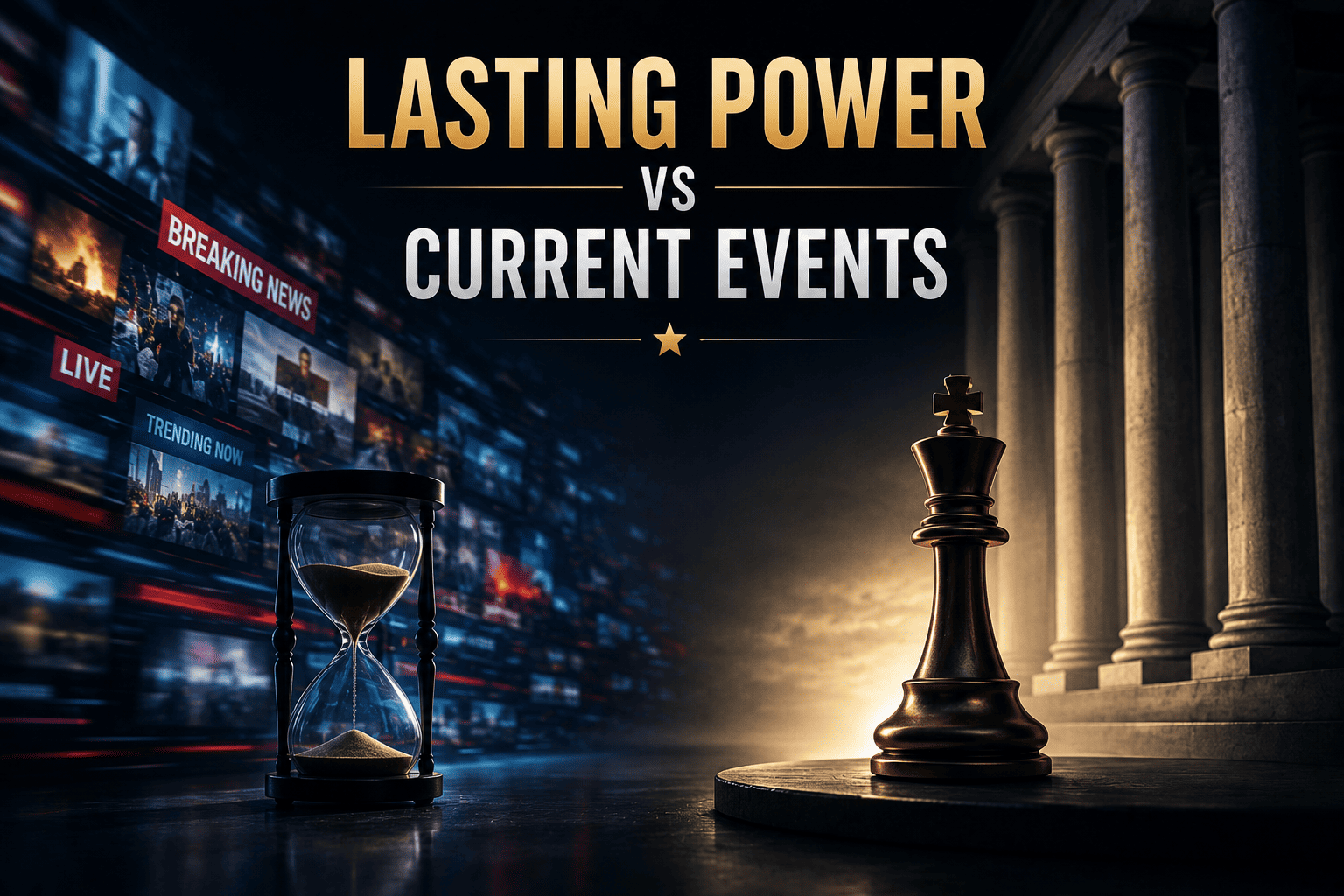
The world’s most influential people, organizations, countries, and ideas do not become powerful overnight, nor do they lose decades of influence because of a single headline. While current events shape public attention and create short-term momentum, true influence is built over years through economic strength, political leadership, military capability, innovation, institutional authority, and global reach.
For that reason, The Ledger separates long-term influence from short-term momentum.
The Ledger Score
The Ledger Score represents an entity’s overall global influence. Rather than reacting to every news cycle, the score is designed to remain relatively stable, changing only when meaningful shifts occur in long-term power.
Factors that contribute to the Ledger Score include:
- Economic strength
- Political authority
- Military capability
- Technological leadership
- Global alliances
- Institutional influence
- Public trust and credibility
- Strategic resources
- Ability to shape international decisions
These characteristics evolve gradually, which is why Ledger Scores generally change over months or years—not days.
The 7-Day Trend
While the Ledger Score measures enduring influence, the 7-Day Trend reflects recent momentum.
Major events may temporarily increase or decrease an entity’s influence without immediately changing its long-term standing.
Examples include:
- National elections
- Military conflicts
- Major legislation
- Economic reports
- Corporate earnings
- AI breakthroughs
- International summits
- Natural disasters
- Diplomatic agreements
The trend indicates whether influence is currently rising, stable, or declining, providing context without overstating the lasting impact of short-term events.
Pressure Testing the Rankings
Every ranking on The Ledger is continually pressure tested against a simple question:
If this entity disappeared tomorrow, how much would the world change?
The greater its ability to influence governments, economies, businesses, technology, financial markets, public opinion, or global security, the higher its position on The Ledger.
This approach prevents temporary headlines from outweighing decades of established influence while still recognizing when momentum is shifting.
Why Rankings Change Slowly
A temporary crisis may cause an entity’s trend to rise sharply, but it does not necessarily make that entity more influential than institutions or nations whose power has been built over generations.
For example, a regional conflict may increase the short-term importance of a country such as Iran, but that does not automatically place it above organizations like NATO or countries such as Germany or Japan in long-term influence. Instead, The Ledger captures this through a stronger 7-Day Trend, while the overall Ledger Score adjusts only if the underlying balance of global power has materially changed.
The Goal of The Ledger
The Ledger is designed to answer two different questions:
- Who holds the greatest influence in the world today?
- Whose influence is changing because of current events?
By separating long-term influence from short-term momentum, The Ledger provides a more balanced and transparent framework for understanding how global power evolves over time.